

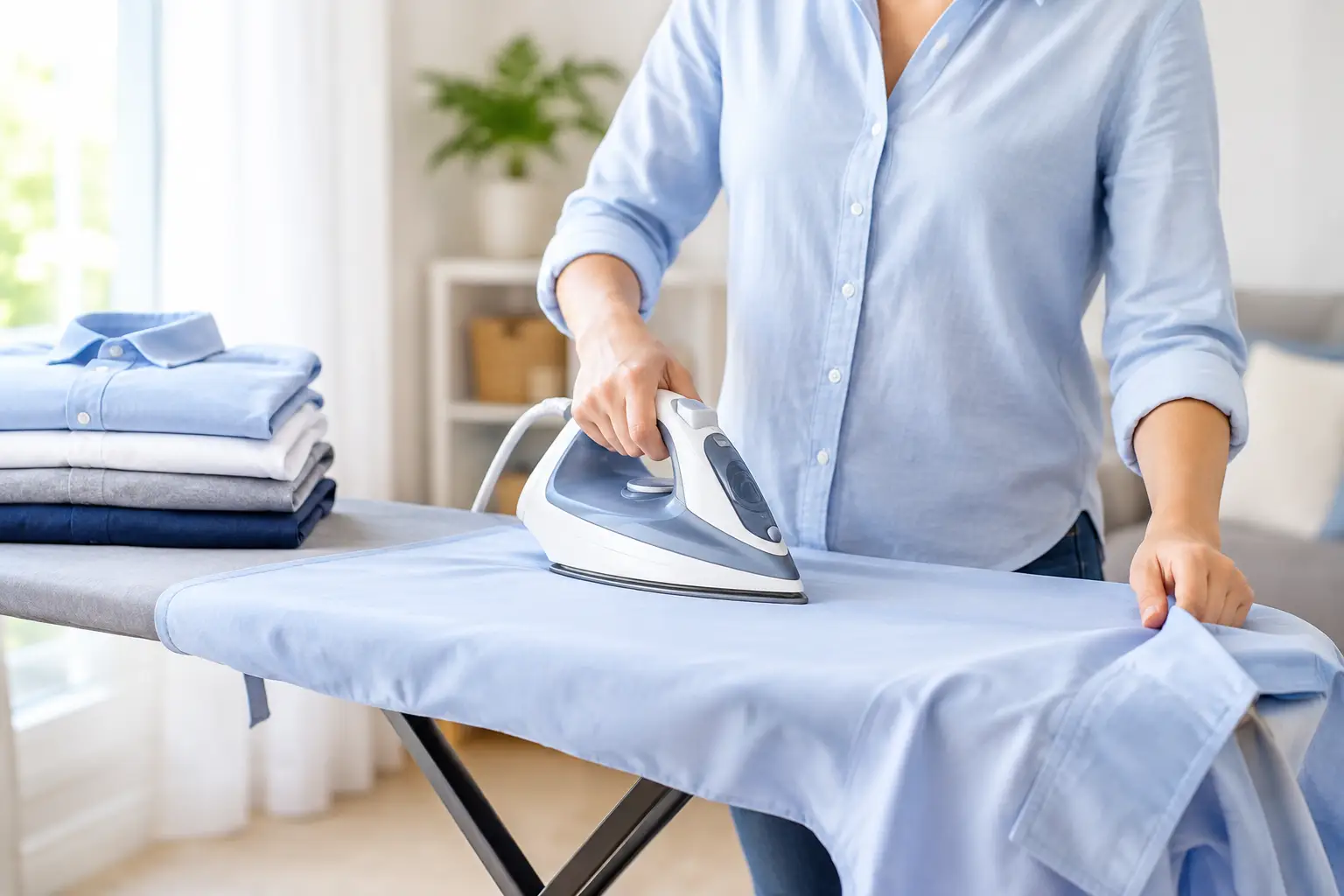
The laundry may be clean, but a basket of wrinkled work shirts, school uniforms, and bedding can still make the week feel unfinished. Knowing how to arrange ironing service starts with being clear about what needs to be pressed, when you need it done, and whether you need occasional help or a regular household routine. A good arrangement should save time without creating uncertainty over pricing, handling instructions, or the condition of your garments.
For busy households in Singapore, in-home ironing is often the practical choice. You can keep your clothes, hangers, and preferred setup at home while a cleaner works through the items you have prepared. It also avoids the extra sorting, transport, and collection timing involved with sending laundry elsewhere.
How to Arrange Ironing Service Step by Step
Start by looking at the actual pile, rather than estimating from one overflowing laundry basket. Ironing time varies considerably. Ten lightweight office shirts are not the same as ten linen pieces, pleated skirts, dresses, or large bed sheets. If you need help after a family trip, before a new work week, or during a move, mention that the volume may be higher than usual.
When contacting a service team, share the basics: your property type, preferred date and time, estimated quantity of items, and whether you have a working iron and ironing board available. An HDB apartment, condo, studio, or landed home can all be suitable, but access instructions and parking arrangements may affect scheduling for some appointments.
It is also useful to explain what you want done after ironing. Most households prefer items placed on hangers, folded neatly, or sorted by family member. If you want uniforms grouped together, workwear hung separately, or bed linens folded for a particular cupboard, say so before the appointment. Simple instructions at the beginning prevent the cleaner from having to guess your routine.
A clear quotation should state whether the booking is based on a set number of hours or a defined volume of clothing. Hourly arrangements offer flexibility when the mix of garments is unknown. A defined scope can be easier when you have a predictable quantity each week. In either case, confirm what happens if there are more items than expected or if extra time is needed.
Choose the right appointment type
A one-time ironing appointment works well when the backlog has built up after travel, illness, a busy work period, or a household transition. It is also useful before returning to the office, welcoming a new baby, or preparing clothes for school term. For this type of booking, allow enough time for sorting and discuss your priorities if the entire pile cannot be completed within the booked period.
Regular ironing support is better for households that consistently generate a similar amount of laundry each week. A weekly or fortnightly slot creates a familiar rhythm: clothes are washed before the appointment, the cleaner presses and sorts them, and the next week starts with a usable wardrobe. Where scheduling allows, having a familiar cleaner for regular appointments can make instructions easier to follow over time.
The right choice depends on your volume and routine. A small household may only need help occasionally, while families with children, office wear, and uniforms often find that regular support prevents the pile from becoming another weekend task.
Prepare Clothes Before the Cleaner Arrives
Preparation does not need to be complicated, but it makes an ironing session more productive. Have the clothes washed and fully dry before the appointment. Damp garments can develop odors in Singapore’s humid conditions and may not press properly. Remove items that need washing, stain treatment, repairs, or dry cleaning, since ironing will not solve those issues.
Sort delicate fabrics away from everyday cotton items. Silk, satin, wool, embellished clothing, garments with printed designs, and pieces with care labels that prohibit ironing should be identified clearly. If you have a preferred temperature setting or use a pressing cloth for certain items, leave a note or explain it at the start. This is especially worthwhile for formal wear, expensive blouses, and school uniforms with heat-sensitive badges.
Set aside enough hangers if you want shirts, dresses, and trousers hung after pressing. If the cleaner will fold items, clear a clean surface or provide a basket for completed clothing. Keeping unpressed and completed items in separate areas helps everyone see what has been done and avoids clothes being mixed back into the pile.
Before the appointment, make sure the iron, ironing board, and nearby power outlet are safe and working. A stable board at a comfortable height matters more than many people expect, particularly for a longer session. If you do not have suitable equipment, ask about this during booking rather than assuming it will be provided.
Decide what should not be ironed
Some garments do not need traditional ironing at all. Activewear, knitwear, heavily textured fabrics, and certain synthetic pieces may be better folded promptly after drying or lightly steamed. Very delicate or structured items may require specialist garment care instead of household ironing.
Being realistic about these boundaries protects your clothing and keeps the service focused on items where pressing makes the biggest difference. Crisp work shirts, cotton dresses, trousers, uniforms, table linens, and bedding are usually straightforward choices. Heavily beaded formalwear, leather, suede, and dry-clean-only garments should be discussed first or kept aside.
Confirm Scope, Timing, and Access Clearly
The most common booking problems are avoidable: an underestimated pile, an unavailable resident, missing equipment, or unclear instructions about access. Confirm your appointment time, address, unit number, contact person, and any building requirements before the day of service. Condo residents may need to arrange visitor access, while landed homes may need to explain where the cleaner should enter or park.
If you are not going to be home, only make that arrangement where access and instructions have been agreed in advance. For many households, being present for the first regular session is helpful. You can point out the equipment, explain how you want clothes sorted, and identify items that need special handling. Later appointments usually become more straightforward once the routine is familiar.
Ask how the service team handles changes. A dependable provider should be direct about rescheduling, deposits used to secure appointments, extra-hour requests, and cancellation notice. Transparent communication is particularly useful around school holidays, festive periods, and year-end moves, when appointment availability can tighten.
Make the Service Work as Part of Your Routine
Ironing assistance delivers the best value when it fits into a larger laundry routine. Try to wash clothes the evening before or early on the morning of the appointment, then dry them promptly. Do not leave clean laundry crumpled in a machine or basket for several days, as deep creases take longer to remove and humidity can leave fabrics smelling less fresh.
For weekly support, choose a day that matches your household schedule. Some families prefer an appointment before the work week so uniforms and office clothes are ready. Others choose midweek, when laundry has accumulated but the pile is still manageable. There is no single best time – the useful schedule is the one you can prepare for consistently.
Keep a small note of recurring preferences, such as which shirts should be hung, where folded clothes belong, and which pieces should never be pressed. A regular cleaner can follow a clear household system more easily than a series of last-minute instructions. If your needs change, such as a child starting school or a new office dress code, update the scope early rather than waiting until the appointment begins.
Questions to Ask Before Booking an Ironing Service
Before confirming, ask whether the service is performed in your home, what equipment you need to provide, how time or volume is priced, and whether garments can be sorted, folded, or hung after ironing. You should also clarify the process for delicate fabrics, additional time, access to your property, and changes to the booking.
Direct communication matters here. A WhatsApp message or phone conversation gives you room to describe your actual pile of clothes and receive a practical answer, rather than selecting a generic option in an app. Singapore House Cleaning can help households discuss their ironing needs, preferred timing, and service scope clearly before an appointment is secured.
A well-arranged ironing service is not about making every item look overly pressed. It is about opening the wardrobe on a busy morning and finding the clothes your household needs clean, neat, and ready to wear.