

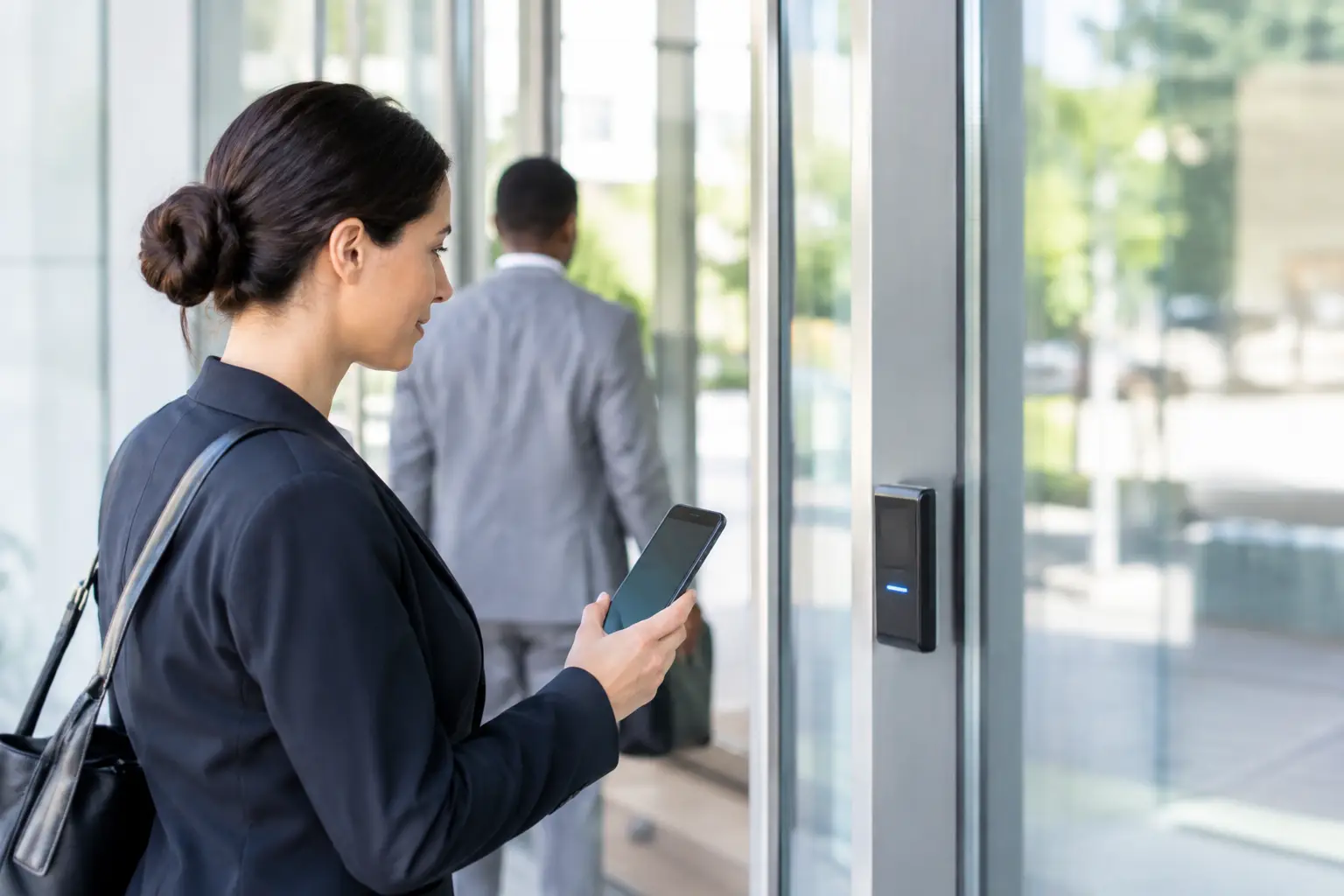
A cleaner can be fully prepared for the job and still lose valuable time at the gate, lobby, or front door. Knowing how to coordinate cleaner access before the appointment helps the visit start on time, protects your home, and gives the cleaner enough time to complete the agreed scope properly. This matters especially in Singapore, where condo security rules, visitor registration, lift access, parking restrictions, and work schedules can all affect a cleaning appointment.
The best arrangement is usually the simplest one: confirm exactly how the cleaner will enter, who will be available if there is a problem, and what areas are ready to be cleaned. Do not leave these details until the cleaner is already downstairs.
Confirm the Access Plan Before Cleaning Day
Access arrangements should be settled when the booking is confirmed, then checked again the day before the appointment. A clear plan avoids missed calls during meetings, delays at security counters, and uncertainty over whether a cleaner may enter without someone at home.
Start by deciding whether you will be present. If you are home, let the service team know the expected arrival window and make sure someone can answer the door. This is often the easiest option for first-time cleaning, deep cleaning, or a home with special instructions. You can show the cleaner any areas needing extra attention, explain which items should not be moved, and clarify the agreed priorities.
If nobody will be home, provide a practical entry method in advance. This may be a key handover, a lockbox, a digital door lock code, or authorization for the cleaner to collect keys from a family member, agent, or building management office. Only use an arrangement you are comfortable with, and give instructions directly to the service team rather than leaving unclear messages through several people.
For regular weekly cleaning, a consistent access routine makes a real difference. Many households prefer to use the same entry process each visit, particularly when they have a familiar cleaner. It reduces back-and-forth communication and helps the appointment run predictably.
Share Complete Arrival Instructions
“Come to the condo lobby” is not always enough information. Larger developments may have several entrances, separate resident and visitor lobbies, different towers, or basement access that is difficult to find. HDB blocks can also have multiple lift lobbies and limited short-term parking nearby.
Send the full address, unit number, building or block name, and the best meeting point. If the cleaner needs to check in with security, say so clearly. Include any relevant details, such as the tower, lobby entrance, intercom name, or whether the lift requires a resident access card.
A useful access message should cover these points:
- The property address, block or tower, unit number, and appointment time
- Whether security has been informed and what identification they may request
- The entry method, including key collection or a temporary digital lock code
- Parking or drop-off instructions, if the cleaner is bringing equipment or supplies
- A contact person who can respond quickly if access is delayed
Avoid sharing passwords, bank information, or any details unrelated to entry. If you use a digital lock, provide a temporary code where possible and remove or change it after the appointment if that suits your household routine.
How to Coordinate Cleaner Access in Condos and HDB Flats
Condo access can take longer than expected. Some management offices require visitor registration, while others need residents to submit the cleaner’s name in an app or at the guardhouse before arrival. Check your building rules early, particularly for weekend appointments or cleaning sessions that fall outside office hours.
If the cleaner is arriving during a busy morning or evening period, allow time for the security counter and lift. This is not wasted cleaning time by choice, but a practical part of reaching the unit. Where building procedures are strict, informing management beforehand is the best way to protect the scheduled work time.
For HDB flats, access is often more straightforward, but parking and loading can be the issue. If the cleaner will bring cleaning items, let them know where short-term parking is possible and whether there are any restrictions around your block. For older estates or blocks with limited lift access, mention stairs, long corridors, or unusual entry points in advance.
Landed homes have different considerations. Let the cleaner know whether to use the front gate, side entrance, or service entrance, and whether the gatebell works. If there is a guardhouse, provide the visitor instructions before the appointment rather than expecting the cleaner to wait while details are sorted out.
Prepare the Home for a Productive Visit
Access is not only about getting through the door. The cleaner also needs reasonable access to the areas included in the service. If a bedroom is locked, a bathroom is being used, or boxes are blocking the kitchen floor, the work may take longer or that area may need to be skipped.
Before the appointment, put away valuables, confidential documents, jewelry, and fragile loose items. This is sensible for any home service and gives both you and the cleaner clear boundaries. If certain rooms, cabinets, or belongings are off-limits, say so directly.
Make sure basic utilities are available. Water, electricity, and working lights are necessary for most cleaning tasks. If there is a problem with the water supply, an electrical issue, or renovation work still taking place, tell the service team before the cleaner arrives. Post-renovation cleaning in particular may need to be rescheduled if contractors are still producing dust or if the home is not safe to enter.
For move-in, move-out, and end-of-tenancy cleaning, vacant access should still be confirmed carefully. Agents, landlords, tenants, and contractors may all assume someone else is holding the keys. Confirm who has them, where collection will happen, and whether the cleaner must return them after the job. A key handover that is not planned can easily shorten the available cleaning time.
Consider Pets, Children, and Elderly Family Members
Let the cleaner know if there are pets at home. Even friendly dogs and cats may be unsettled by a new person, vacuum noise, or open doors. Secure pets in a comfortable area if needed, and explain any instructions about feeding, gates, or rooms that must stay closed.
For homes with young children or elderly family members, decide in advance how the cleaning session will fit around naps, meals, medical appointments, or rest periods. You may want the cleaner to start in the kitchen and bathrooms while a family member remains in a bedroom, or avoid a particular room until later. Clear priorities are more useful than expecting every room to be cleaned at the same pace.
If an elderly parent is home alone, make sure they know that a cleaner is expected, what time to expect them, and who to call if they are unsure. A quick introduction by phone or WhatsApp can make the visit feel more comfortable and avoid confusion at the door.
Set Boundaries Around Time and Scope
A cleaner’s access window should match the service booked. If the cleaner cannot enter for 30 minutes because a key is unavailable or security approval has not been arranged, there may be less time left for the agreed work. Extending the appointment may not always be possible, especially when the cleaner has another household scheduled afterward.
This is why it helps to confirm your priorities before the visit. For a recurring cleaning session, you may prefer regular attention to bathrooms, kitchen surfaces, floors, dust-prone areas, and trash removal. For a one-time deep clean, you may need more time on greasy kitchen areas, shower screens, fan covers, interior cabinets, or hard-to-reach dust after a period of vacancy.
Be realistic about what can be completed within the scheduled hours. A heavily cluttered unit, a home with extensive pet hair, or a property after renovation may require a different scope or a longer appointment. Honest information before booking supports a clearer quotation and prevents disappointment on the day.
Keep One Contact Person Available
Even with good planning, small issues can arise. Security may ask for confirmation, the digital lock battery may fail, or the cleaner may need clarification about a key location. Assign one person to be reachable by phone or WhatsApp during the arrival period and early part of the cleaning session.
This contact person should have authority to make simple decisions. If the cleaner cannot access one room, can they move on to another area? If parking is unavailable, where should they meet you? If a cabinet contains tenant belongings during an end-of-tenancy clean, should it be left untouched? Quick answers keep the work moving and reduce stress for everyone.
Singapore House Cleaning coordinates appointments through direct human communication, so customers can clarify practical access details before the cleaner arrives. Whether you are booking a weekly cleaner for an occupied condo or a one-time move-out clean for a vacant HDB flat, the goal is the same: no guessing at the gate and no avoidable loss of cleaning time.
A few minutes spent confirming entry, contact details, and home instructions can turn cleaning day into a routine instead of another task to manage. When the cleaner can enter safely and start with clear priorities, your home gets the attention you booked it for.