

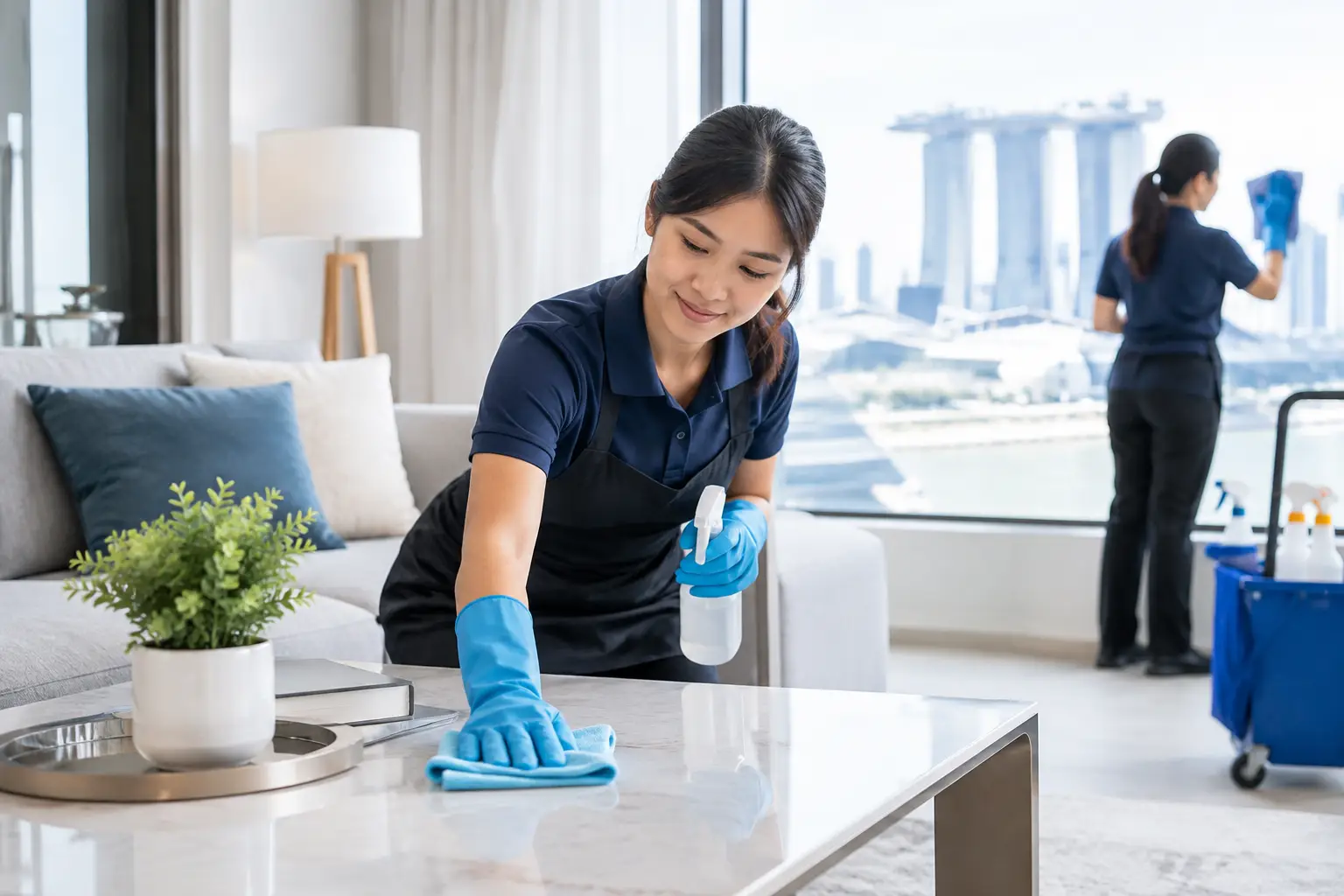
A cleaner arrives on Saturday morning, but the laundry is still everywhere, the kitchen has just been used for breakfast, and someone needs to leave for tuition in 20 minutes. This is why learning how to schedule recurring cleaners is less about picking a weekly time slot and more about building a routine your household can actually maintain.
For busy homes in Singapore, regular cleaning works best when the appointment, cleaning scope, access arrangements, and family schedule are agreed on from the start. A clear plan also helps your cleaner work efficiently, whether you live in an HDB flat, condo, studio apartment, or landed home.
Start with the cleaning frequency your home needs
Weekly cleaning is the most common arrangement for families, homes with pets, households that cook often, or anyone managing work and children. Singapore’s humidity can make dust settle quickly, encourage bathroom mildew, and leave kitchens feeling greasy sooner than expected. A weekly visit keeps these jobs from building into a major weekend task.
A biweekly appointment may be enough for a couple in a small condo or studio who are away most weekdays and cook lightly. Larger homes, homes with young children, or properties where elderly family members live may benefit from weekly visits with a more detailed bathroom and kitchen routine.
Do not choose frequency based only on the size of the property. Consider how the home is used. A compact two-bedroom unit with daily cooking and a shedding pet may need more attention than a larger home occupied only on weekends. If you are unsure, start with weekly cleaning for the first month and adjust once you can see where dust, grease, and clutter return.
How to schedule recurring cleaners around a real routine
The best appointment is not always the earliest or cheapest available slot. It is the one that causes the fewest interruptions and gives the cleaner enough access to complete the agreed work.
Many households prefer weekday mornings after school drop-off, when the home is quieter and bedrooms can be aired out. Others choose weekday afternoons, especially if a family member is home to receive the cleaner. Weekend appointments can suit working households, but they need more coordination because the home is usually busier.
Before confirming a recurring slot, check a few practical points:
- Is someone usually home to provide access, or will there be a key, lockbox, or building access arrangement?
- Are there regular calls, naps, remote-work meetings, tuition sessions, or meal times that make certain hours difficult?
- Does your condo or landed estate have visitor registration, parking, or lift-access requirements?
- Will the cleaner have enough uninterrupted time to cover the agreed rooms and tasks?
A fixed day and time creates familiarity. Your cleaner learns where supplies are kept, which areas need closer attention, and how your household prefers things handled. That consistency is one of the main benefits of a recurring arrangement.
Set a clear scope before the first visit
Recurring cleaning is for maintaining a livable home, not for correcting months of buildup in a single appointment. If your property has heavy grease, mold, renovation dust, packed storage areas, or a large amount of clutter, a deep clean may be the better starting point. After that, regular sessions are much more effective at keeping the result in place.
For a typical recurring visit, agree on the areas that will be covered. This usually includes vacuuming and mopping floors, dusting reachable surfaces, cleaning bathrooms, wiping kitchen counters and exterior cabinet surfaces, emptying bins, and basic tidying of accessible areas. Bedrooms, living rooms, and common areas can be rotated or prioritized based on the time booked.
Be specific about extras. Ironing, interior fridge cleaning, oven cleaning, balcony washing, changing bed linens, and detailed window cleaning may take additional time or require separate arrangements. Clear service boundaries prevent disappointment on both sides. A cleaner can do better work when there is no uncertainty about whether an extra task is expected.
It also helps to mention anything that affects the job before the first appointment. Tell the service team about pets, delicate surfaces, existing stains, areas that should not be touched, or rooms that will be closed. If there are strong cleaning-product preferences or allergies in the household, raise them early.
Prepare the home without cleaning before the cleaner arrives
You do not need to clean your home before a recurring cleaner comes. You do, however, need to make the planned cleaning possible. A floor covered in toys, laundry, delivery boxes, and cables cannot be vacuumed properly. A kitchen counter full of appliances, paperwork, and dishes leaves little room for wiping.
A simple reset the night before can make a noticeable difference. Put away personal items, clear floor pathways, secure valuables, and let the cleaner know which items should stay where they are. If you want bed linens changed, leave the fresh set out. If ironing is included, place the clothing in one basket or area.
This is not about making the house look presentable for a visitor. It is about ensuring the booked time goes toward cleaning rather than sorting through household belongings. The more accessible each room is, the more thorough the result will be.
Keep communication direct and practical
Recurring service improves when communication is simple. After the first few visits, you may notice that the shower screen needs extra attention, the kitchen floor gets greasy after certain cooking days, or one bathroom is rarely used and can be cleaned less often. Share those adjustments clearly.
A short message before the appointment is useful when there is a change: guests are coming, a child is unwell and sleeping, the cleaner should skip a room, or ironing is needed that week. WhatsApp or phone coordination is often quicker than trying to manage changes through an automated platform.
At Singapore House Cleaning, recurring bookings are coordinated with real people, so households can discuss their preferred timing, property needs, and cleaning priorities directly. This is especially useful when your schedule changes around school holidays, travel, move dates, or family commitments.
Plan for access, supplies, and security
Access should be settled before the appointment, not while the cleaner is waiting downstairs. For condo residents, confirm visitor registration procedures and whether the cleaner needs to be met at the lobby. For HDB homes, make sure the unit number, block details, and contact number are correct. If parking is relevant for a landed property, discuss that in advance.
Ask whether cleaning supplies and equipment are included or whether you need to provide particular items. Some households prefer the cleaner to use their own vacuum, mop, or products because of flooring type, fragrance sensitivity, or personal preference. Keep frequently used supplies in one known location so time is not lost searching for them.
For key arrangements, use a method you are comfortable with and keep the service team updated if codes or access instructions change. Good recurring cleaning depends on trust, but trust also comes from sensible, clear procedures.
Review the routine after the first month
The first appointment is a starting point, not a final system. After three or four visits, check whether the frequency and task allocation are working. You may find that bathrooms need attention every week, while guest-room dusting can be rotated. Or you may need a longer session before festive gatherings and a standard visit the following week.
If the home is still feeling rushed after each appointment, the answer may be more time, fewer add-ons, better preparation, or a more focused scope. If certain jobs are consistently skipped because they take too long, discuss them rather than assuming they will fit into the next visit.
A dependable routine should feel lighter over time. Your home will not be perfect every day, especially with children, pets, work, and daily meals. But with a realistic schedule, a defined scope, and direct communication, regular cleaning becomes one less thing your household has to chase at the end of the week.