

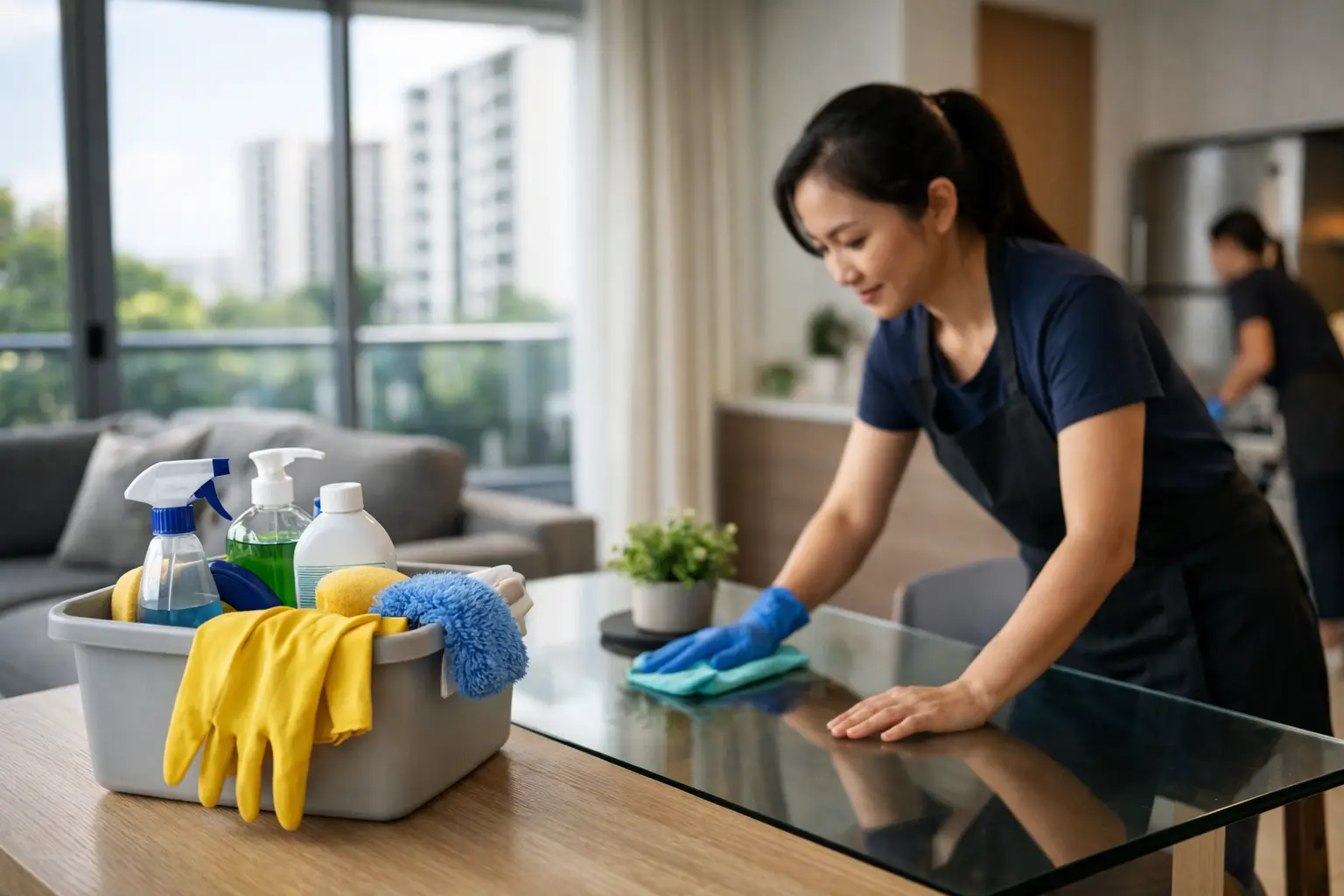
A clean home in Singapore is less about making every surface look perfect and more about keeping daily life manageable. Humidity brings dust, sticky floors, bathroom mildew, kitchen grease, and odors back faster than many households expect. Good house cleaning should account for those realities, whether you live in an HDB flat, condo, studio apartment, or landed home.
The right approach depends on what your home needs now. A family managing work and school schedules may need weekly upkeep. A tenant preparing to hand over keys may need a detailed one-time clean. A newly renovated unit needs a different process again, especially where fine construction dust has settled into corners, cabinets, and window tracks.
Start With the Type of House Cleaning You Need
The most common cleaning mistake is booking a general service for a job that needs more detailed work. A standard recurring visit is designed to maintain a home that is already in reasonable condition. It usually focuses on visible areas and practical household tasks: vacuuming and mopping floors, wiping accessible surfaces, cleaning bathrooms, tidying kitchen counters, and removing household trash.
That is a sensible option for busy households that want regular support. With a familiar routine and, where scheduling allows, a familiar cleaner, the service becomes easier to manage over time. You do not have to explain the same preferences at every appointment, such as where cleaning supplies are kept or which rooms need extra attention.
A one-time deep clean is different. It is better suited to homes that have gone without regular cleaning, units being prepared for move-in, or spaces where grease, soap buildup, and dust have accumulated. The cleaner may need more time for kitchen surfaces, bathroom fittings, fan covers, internal cabinet areas if requested, and difficult edges around the home.
Post-tenancy and end-of-tenancy cleaning require an even more careful scope. Landlords and tenants are usually concerned with the condition of floors, bathrooms, kitchen appliances, cabinets, fixtures, and visible marks before inspection. The goal is not to promise that every aged surface will look new. It is to clean the property thoroughly and document what is included before work begins.
What a Practical Cleaning Scope Should Cover
A clear scope protects both the household and the cleaning team. Before booking, ask what rooms and tasks are included, which areas are excluded, and whether supplies or equipment need to be provided. This avoids the awkward situation where a cleaner arrives for a routine session but is expected to handle renovation debris, heavy mold removal, or a full appliance clean without the time or materials to do so.
For regular house cleaning, most homes benefit from attention to the following areas:
- Living and bedroom floors, accessible furniture surfaces, mirrors, and general dust removal
- Bathrooms, including toilets, sinks, shower areas, and floor cleaning
- Kitchen counters, stovetops, sink areas, exterior cabinet surfaces, and floor cleaning
- Common touchpoints such as switches, door handles, and frequently used surfaces
The details matter. In a humid climate, bathroom cleaning should include drying and wiping surfaces where practical, not simply applying product and leaving moisture behind. In kitchens, grease tends to collect around the stovetop, backsplash, hood exterior, and cabinet handles. A routine that deals with these areas consistently is more effective than an occasional rushed clean.
Some jobs should be treated as add-ons or separately quoted work. These can include interior oven cleaning, refrigerator cleaning, balcony washing, extensive window cleaning, heavy-scale removal, post-renovation dust removal, and in-home ironing. There is nothing unreasonable about needing these services. They simply take different amounts of time and may require specialized products or equipment.
Build a Routine Around Your Household, Not a Fixed Ideal
Weekly cleaning works well for many families, pet owners, and households with young children. It keeps dust and bathroom buildup from becoming a bigger job, while making the home easier to maintain between visits. Smaller apartments may only need a shorter regular appointment, while larger condos and landed homes often need more time or a more frequent schedule.
Every two weeks can be enough for couples, professionals who are frequently away, or homes with light daily use. The trade-off is that kitchen grease, bathroom residue, and floor dust may need more attention during each visit. If you cook often or have children at home, weekly service is usually the more practical choice.
There is also value in separating cleaning from ironing. Some households prefer a cleaner to focus fully on the home, while others need help with laundry and ironing as part of the weekly routine. Be specific about what matters most. Two hours spent ironing is two hours not spent on bathrooms or floors, so priorities should be agreed on before the appointment.
Prepare Your Home So Cleaning Time Is Used Well
You do not need to clean before a cleaner arrives. You do, however, get better results when personal items are reasonably organized. Clearing toys, paperwork, clothing, and small items from key surfaces gives the cleaner room to work safely and efficiently.
If there are fragile items, rooms that should not be entered, or products you prefer the cleaner to use, communicate this in advance. Homes with pets, elderly family members, or young children may also have practical needs, such as keeping certain doors closed or avoiding strongly scented products.
For one-time work, send accurate details when requesting a quote. Property type, number of bedrooms and bathrooms, approximate condition, whether the unit is furnished, and any requested add-ons all affect the time required. Photos can help a service team assess the job more accurately, particularly for move-out and post-renovation cleaning.
A transparent quotation should explain the expected scope rather than offering a vague low price that changes later. The cheapest quote is not always the best value if it leaves out important tasks or allows too little time for the cleaners to do the work properly.
Choose Direct Communication Over Guesswork
Cleaning appointments involve access to your home, schedules, and personal preferences. Direct communication matters. A responsive team should be able to answer straightforward questions about availability, deposits, included tasks, cleaner arrangements, and what happens if you need to reschedule.
For recurring service, it helps to keep a simple list of priorities at home or share it by message before the visit. Perhaps the guest bathroom can be skipped one week so the cleaner has more time for the kitchen. Perhaps a bedroom is temporarily off-limits because someone is working from home. Small updates make the service more useful without requiring a complicated system.
Singapore House Cleaning works with households that prefer this practical, person-to-person coordination. Booking by WhatsApp or phone gives customers a clear way to confirm the service scope, ask questions, and arrange a suitable time without being pushed through an app workflow that may not reflect the actual condition of their home.
Know When Cleaning Has Reached Its Limit
A professional clean can improve the presentation and hygiene of a home, but cleaning cannot repair damaged materials. Permanently stained grout, rusted fittings, scratched flooring, worn sealant, and old paint marks may remain after proper cleaning. This is especially relevant for rental handovers, where existing wear should be identified separately from dirt or neglect.
Likewise, post-renovation cleaning is not the same as defect rectification. Dust can be removed from surfaces, drawers, and floor edges, but chipped tiles, paint drips that have hardened, damaged cabinetry, or construction defects may need attention from the contractor. Setting this expectation early prevents disappointment and helps everyone focus on the work that can be completed effectively.
A dependable cleaning plan is not about chasing a showroom look every day. It is about choosing the right level of help, defining the work clearly, and keeping the home comfortable for the people who live in it. When the next busy week arrives, a routine that already fits your household is one less thing to manage.